Long hours at a desk — whether in Ennis, Shannon or working from home anywhere in County Clare — are one of the most common drivers of the neck and lower back pain we see at the clinic. The good news: the biggest fixes are free, and most people feel a difference within a couple of weeks.
Screen height is the number one fix
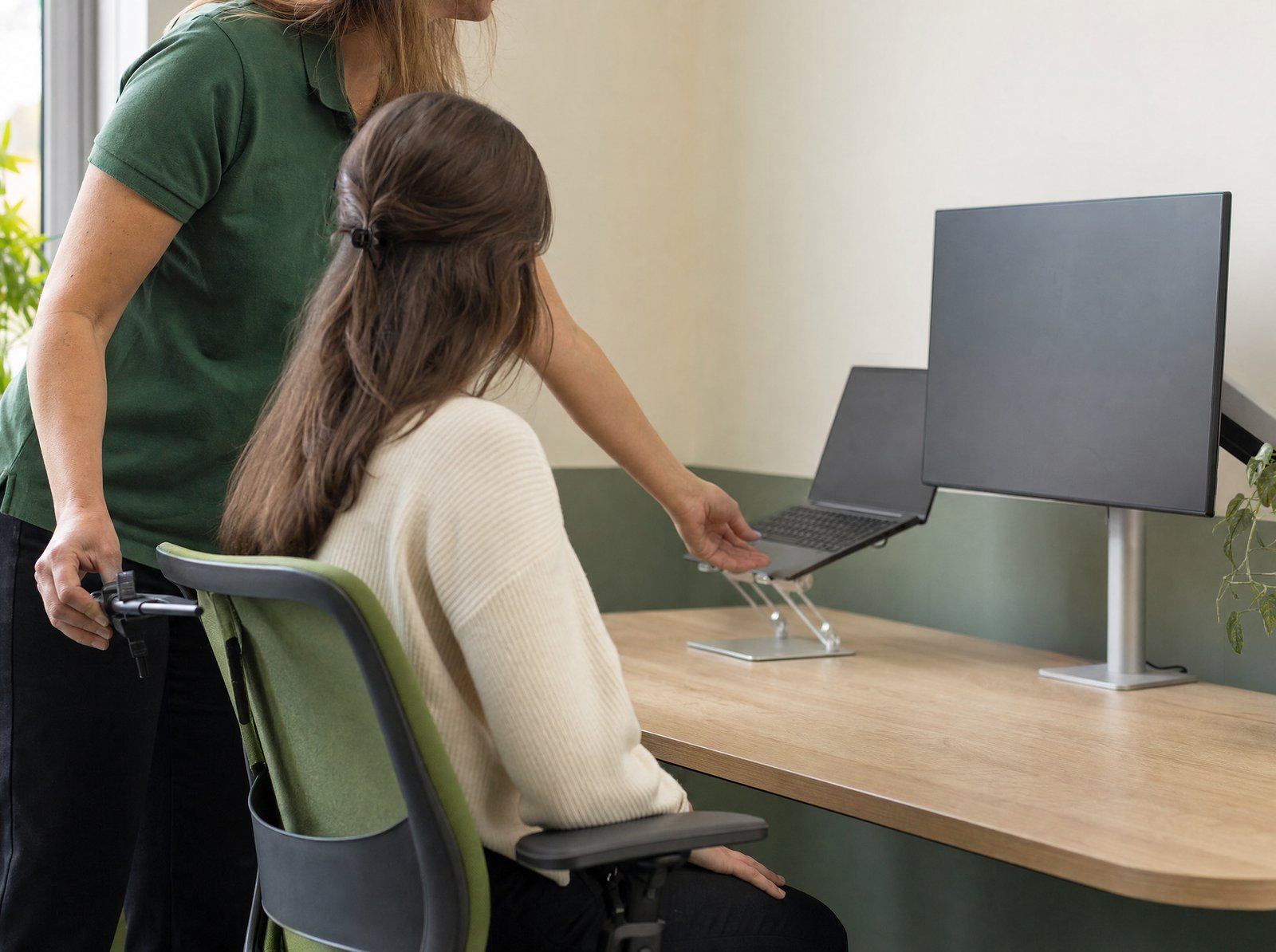
- The top of your screen should be at, or slightly below, eye level
- You should not be looking down for hours — add a laptop stand or a couple of books under the screen
- Keep the screen an arm's length away
If you work on a laptop, get it up to eye level and use an external keyboard and mouse — typing on a laptop keyboard with the screen raised is its own source of neck and shoulder ache.
Chair and desk: get the basics right
- Feet flat on the floor (or on a footrest), knees about hip height
- Hips at or slightly above knee level
- Elbows roughly 90 degrees with wrists straight — not bent up against the desk edge
- Sit back in the chair so the lumbar curve is supported; a small rolled towel works if your chair does not
Posture is a habit, not a position
The phrase 'sit up straight' sends people into a stiff, unsustainable pose. What matters more is changing position regularly:
- Every 30–40 minutes, stand up, look away from the screen and take a few steps
- Roll your shoulders, look left and right, and gently bring your chin back
- Use sit-stand desks if you have one — alternate rather than stand for hours
Movement beats stretching marathons
A 30-second reset every half hour outperforms one long stretch session at the end of the day. Your neck, shoulders and back are simply not designed to hold one position — variety is the fix.
When office aches need more than ergonomics
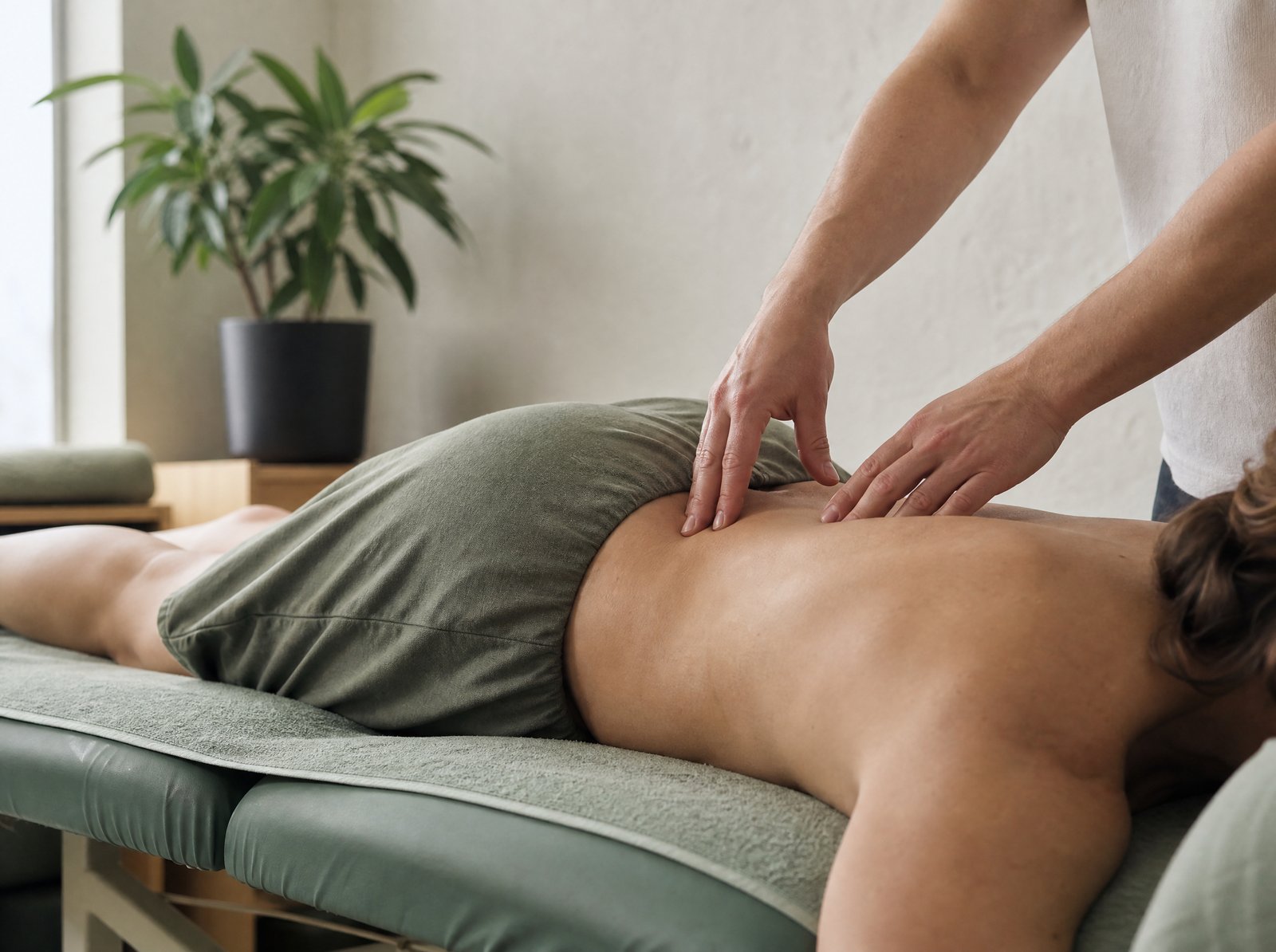
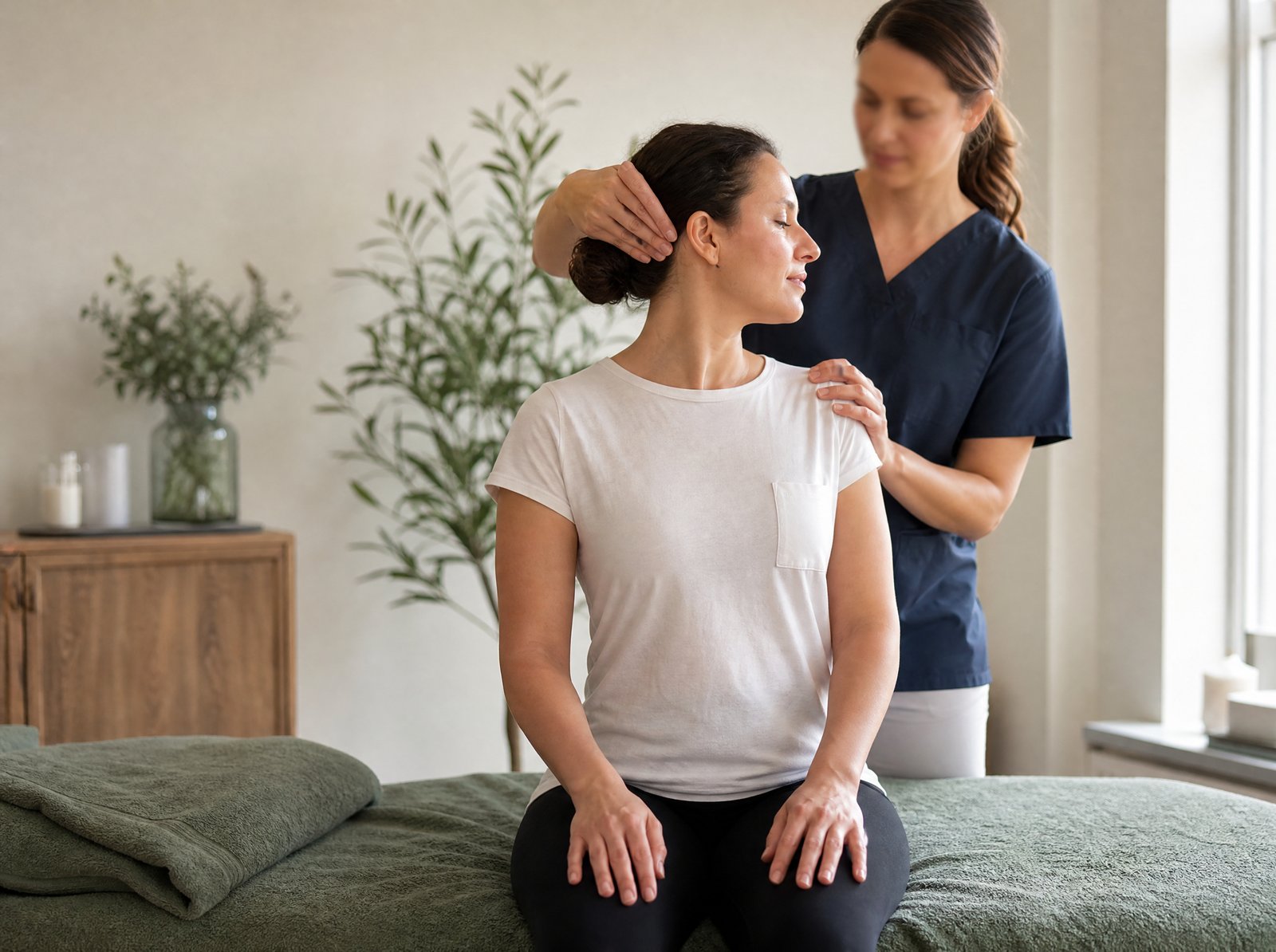
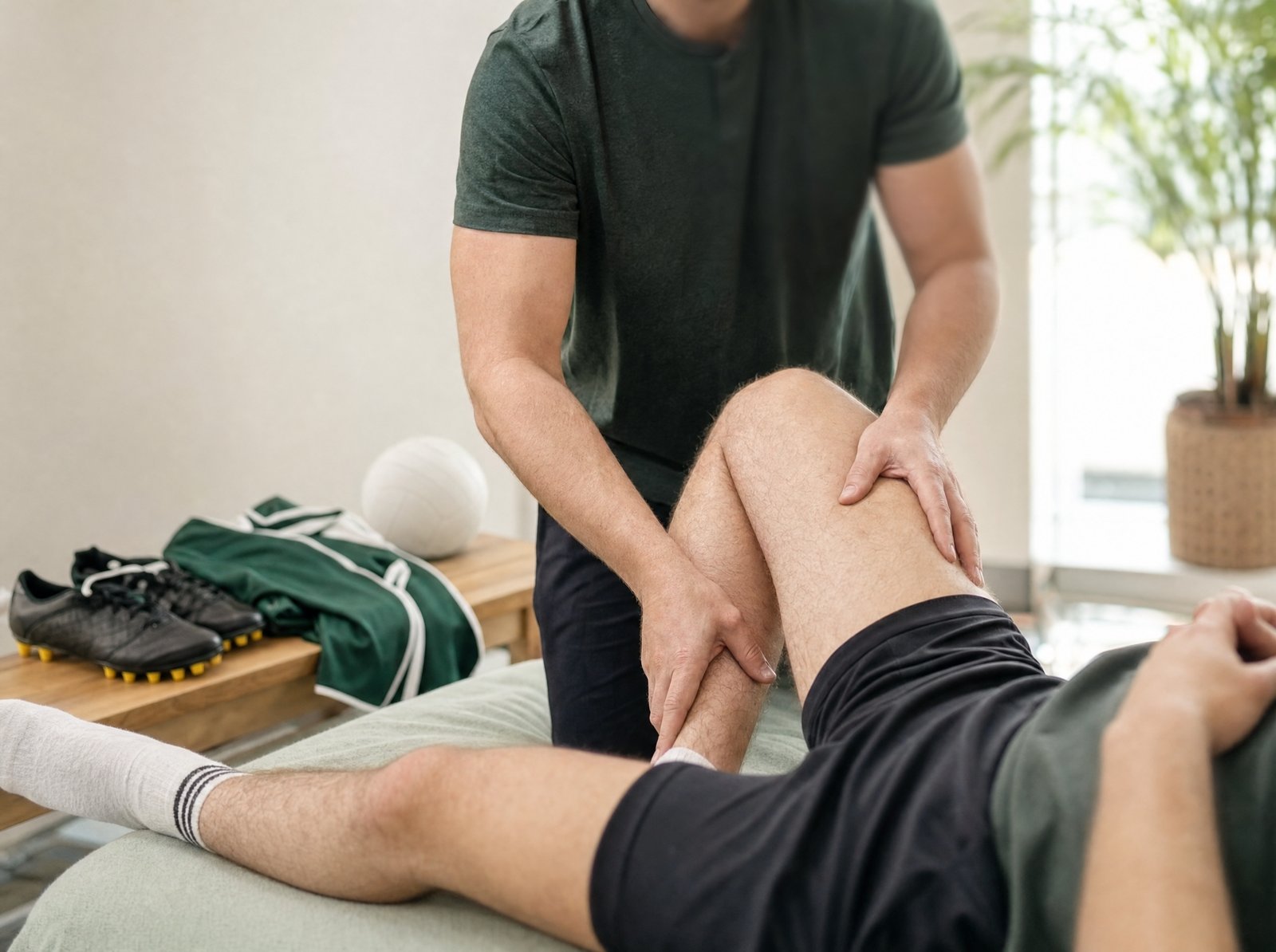
Ergonomics helps, but it is not always the whole story. Book a physiotherapy assessment in Ennis if:
- Neck or back pain is not settling after a couple of weeks of good desk habits
- Pain radiates into your arm or leg, with tingling or numbness
- Headaches are becoming frequent and you think your neck is involved
- You want a clear standing/desk habit plan tailored to your actual setup and job
Key takeaways
- Raise the screen to eye level and add an external keyboard
- Feet flat, hips level or above knees, lumbar curve supported
- Move every 30–40 minutes — short resets beat marathon stretching
- Persistent or radiating pain deserves an assessment, not another ergonomics article
Related treatment: Spinal physiotherapy · Dry needling — book an assessment
This article is general information and is not a substitute for an individual assessment. If you are unsure about your symptoms, or they are not settling, book an appointment or call 087 962 7573.